Tag: claims software
11 Posts

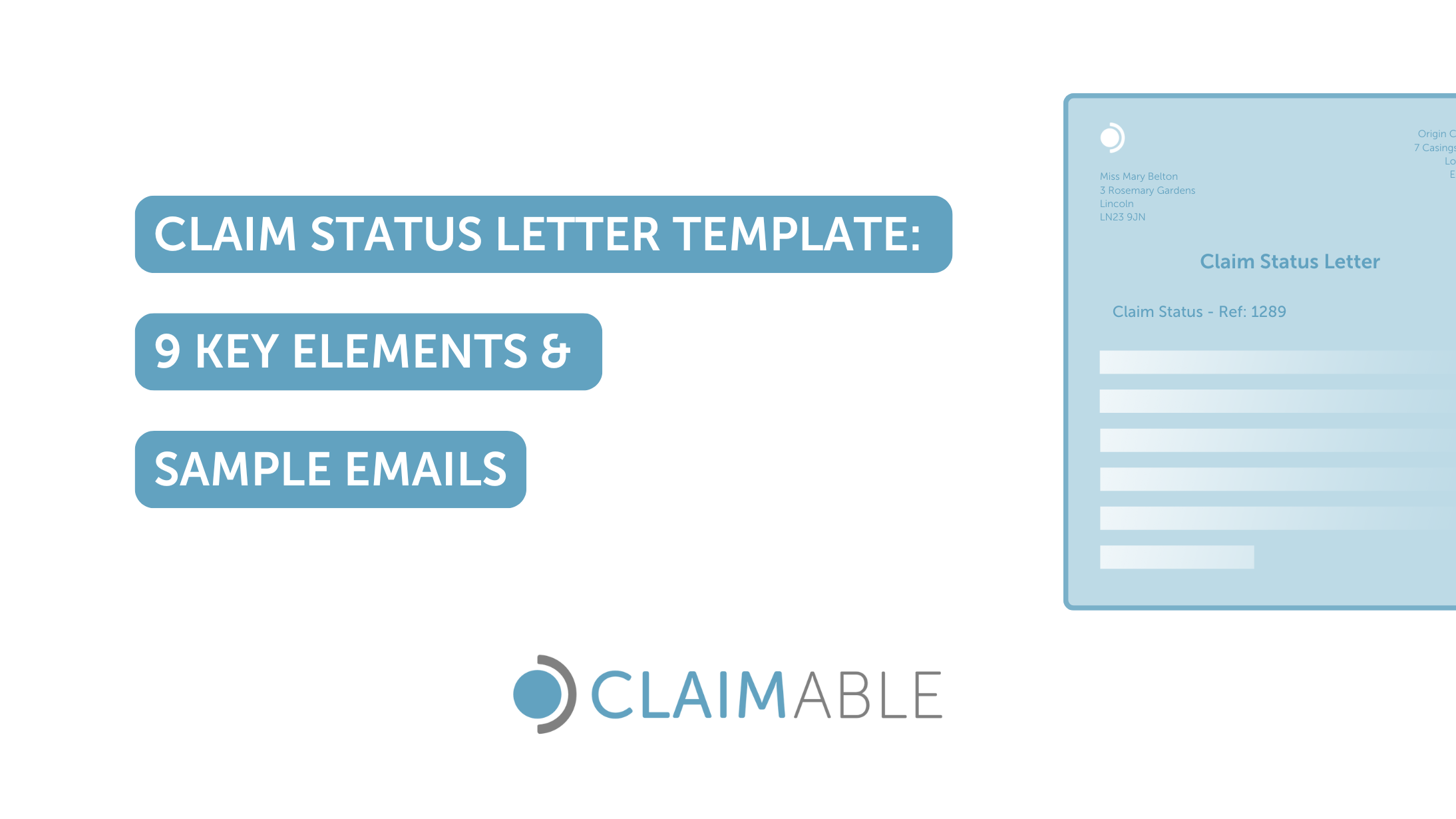
Claim Status Letter Templates: 9 Key Elements & Sample Emails

Sending regular Claim Status letters (or emails) to the parties involved in a claim is a crucial step in your claims management strategy to promote transparency and build trust in the claim process.

A Claim Status letter serves as an excellent opportunity to maintain an ongoing conversation with all parties

Continue Reading...

Claims Management Software Access Control: How Claimable Keeps Your Claims Secure

In today’s fast-paced and compliance-driven environment, how you manage access to your claims data is key. For businesses part of the claim supply chain and handling high-volume of claims, robust access control it’s a necessity.

That’s why Claimable implements security-by-design and provides access control features that give

Continue Reading...

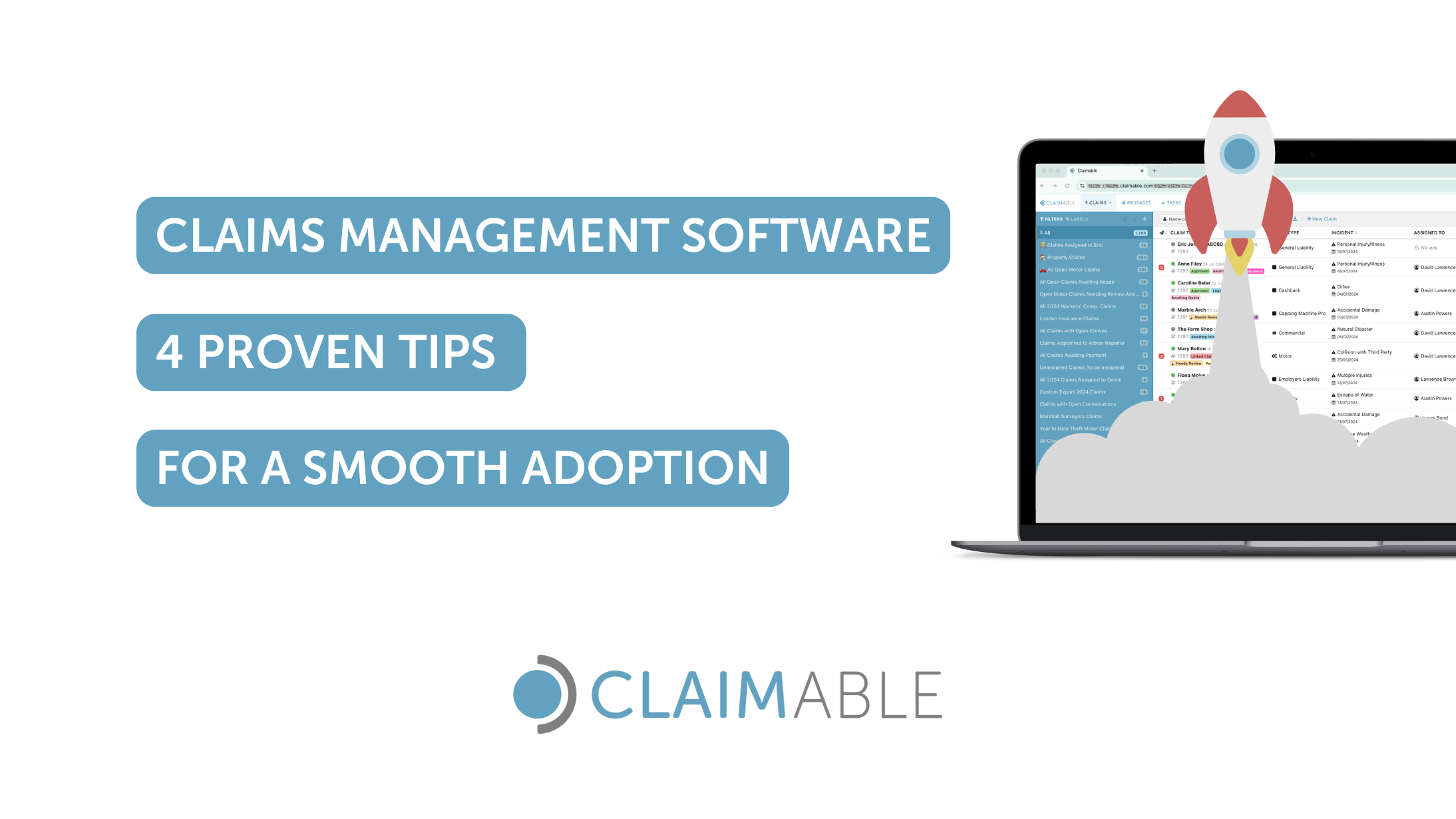
Claims Management Software: 4 Proven Tips for Smooth Adoption

Implementing claims management software is a great way to help your company optimise claim processing, increase productivity and reduce manual errors.

A modern claims system can bring a lot of benefits to your company. While there’s a small upfront investment of time to get familiar with the platform, the

Continue Reading...

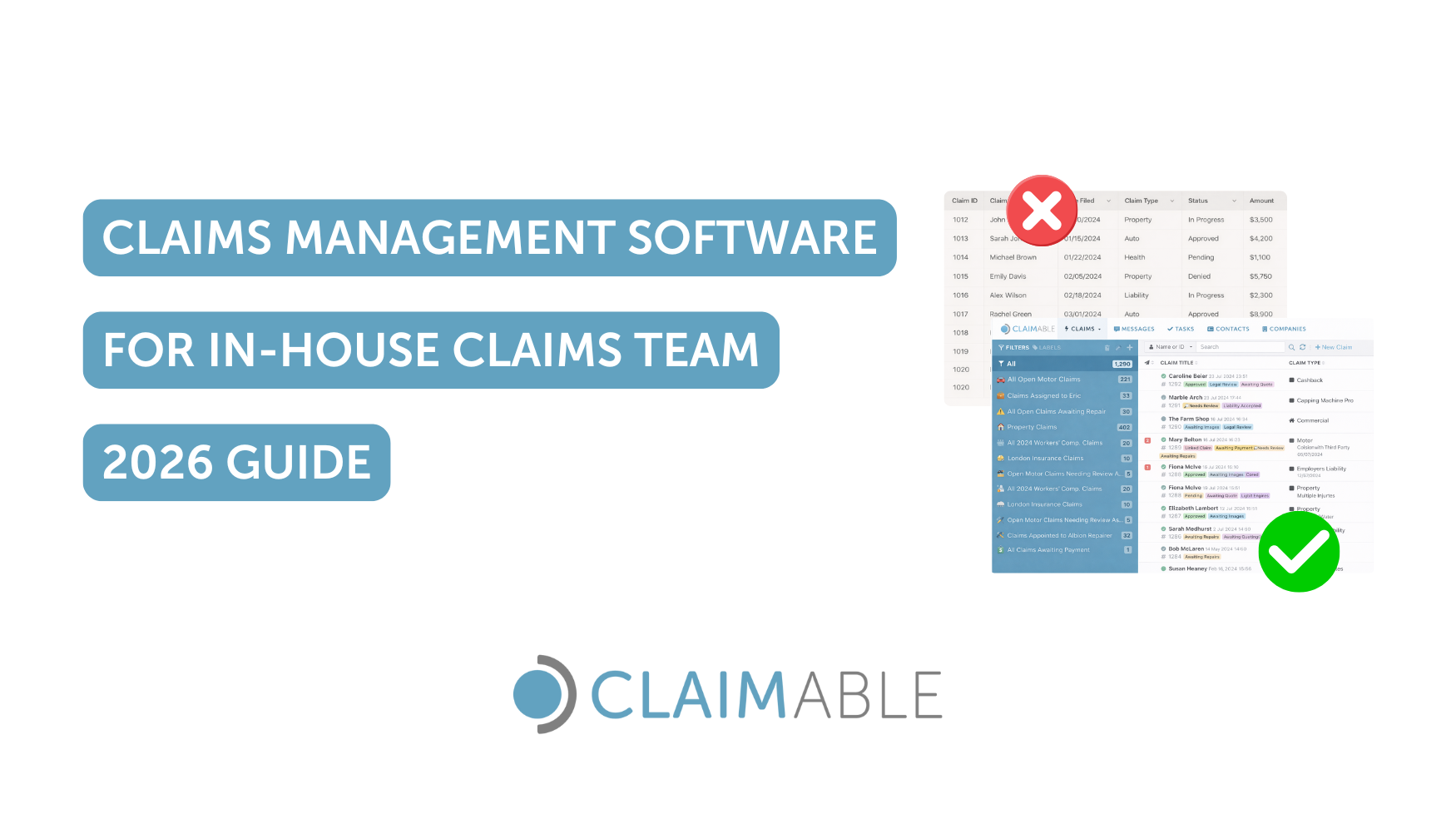
Claims Management Software: How to Choose and Red Flags to Avoid

If your company manages or has to keep track of claims, claims management software can remove headaches and reduce the cost of admin.

Choosing the right claims processing tool for your business can feel overwhelming.

Traditional claims applications are often designed with insurance companies in mind, focusing primarily on policy

Continue Reading...

Claims Data Access Control - Introducing Documents Visibility

Claims management involves various moving parts and stakeholders.

Claimable claims management software enables businesses to collaborate easily with external parties, such as clients and suppliers, granting them access to work on specific claims or review claim information.

External users in Claimable are fully managed by the account owner, and they

Continue Reading...